Weathering And Erosion Worksheets: Erosion Weathering Grade Worksheets Printable 4th Worksheet Science Kids Printables Sample Causes Choose Board
Worksheets shouldn’t feel dull. Visualize a schoolroom humming with enthusiasm or a cozy kitchen table where children happily dive into their work. With a bit of creativity, worksheets can change from ordinary drills into captivating materials that motivate growth. No matter if you’re a mentor building activities, a DIY teacher needing options, or simply an individual who adores learning play, these worksheet suggestions will ignite your mind. Why not plunge into a space of ideas that fuse knowledge with pleasure.
Weathering, Erosion, And Deposition Worksheet | Live Worksheets
 worksheets.clipart-library.comWeathering And Erosion Worksheets | WorksheetsGO
 www.worksheetsgo.comEngaging Weathering And Erosion Worksheets For Earth Science Education
 worksheets.clipart-library.comWeathering And Erosion Worksheet | Live Worksheets
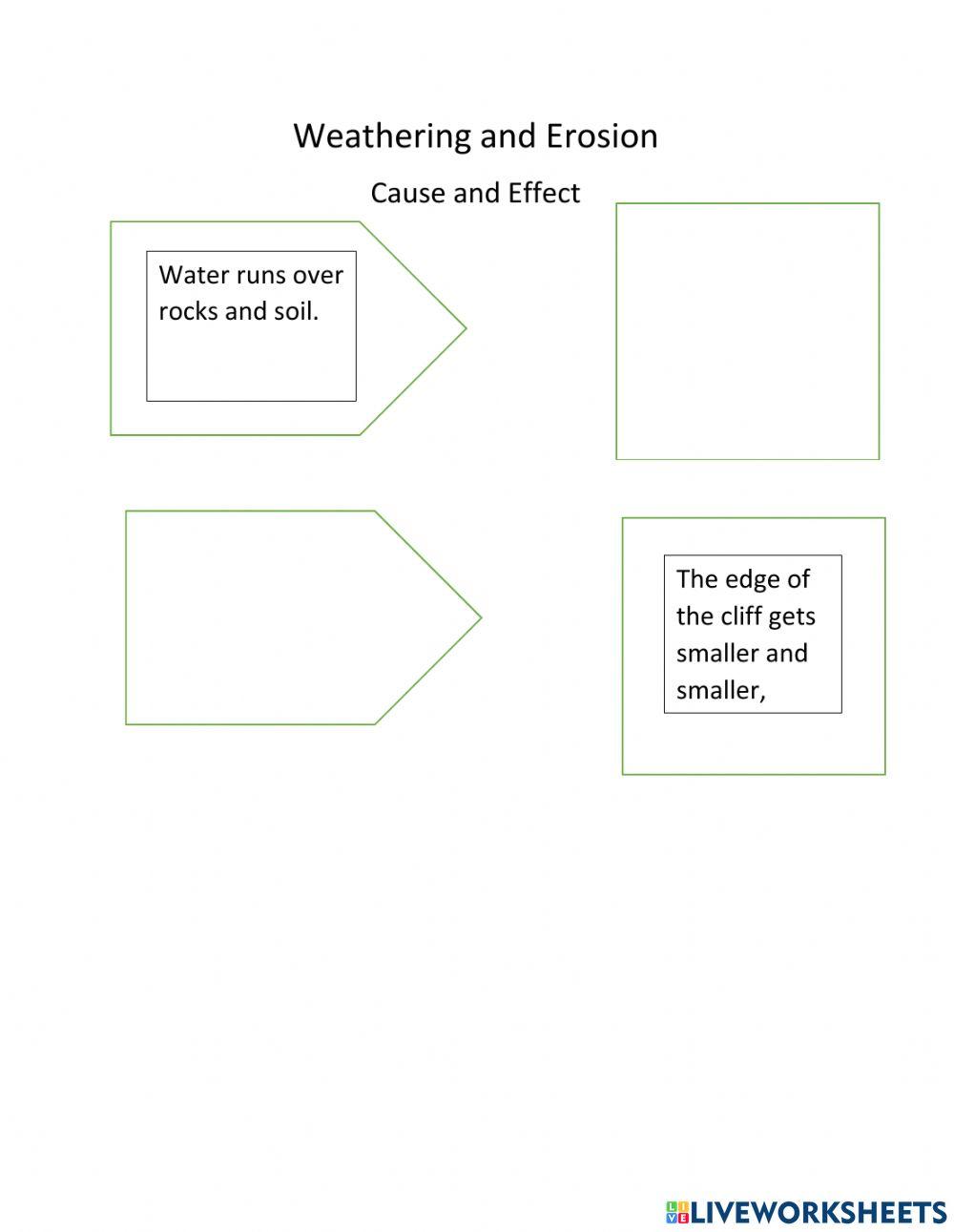 www.liveworksheets.comWeathering And Erosion Vocabulary Fill-In-The-Blank Worksheet By Nerdy
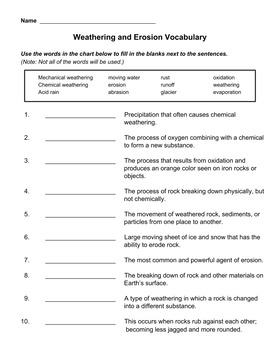 www.teacherspayteachers.comFree Weathering Erosion And Deposition Worksheets
 www.storyboardthat.comWeathering Erosion And Deposition Worksheet
 lessondbwinchell.z21.web.core.windows.netFree Printable Weathering Erosion And Deposition Worksheet - Worksheets
 worksheets.clipart-library.com4th Grade Free Printable Weathering And Erosion Worksheets
 kidsworksheetfun.comerosion weathering grade worksheets printable 4th worksheet science kids printables sample causes choose board
Free Printable Weathering Erosion And Deposition Worksheet
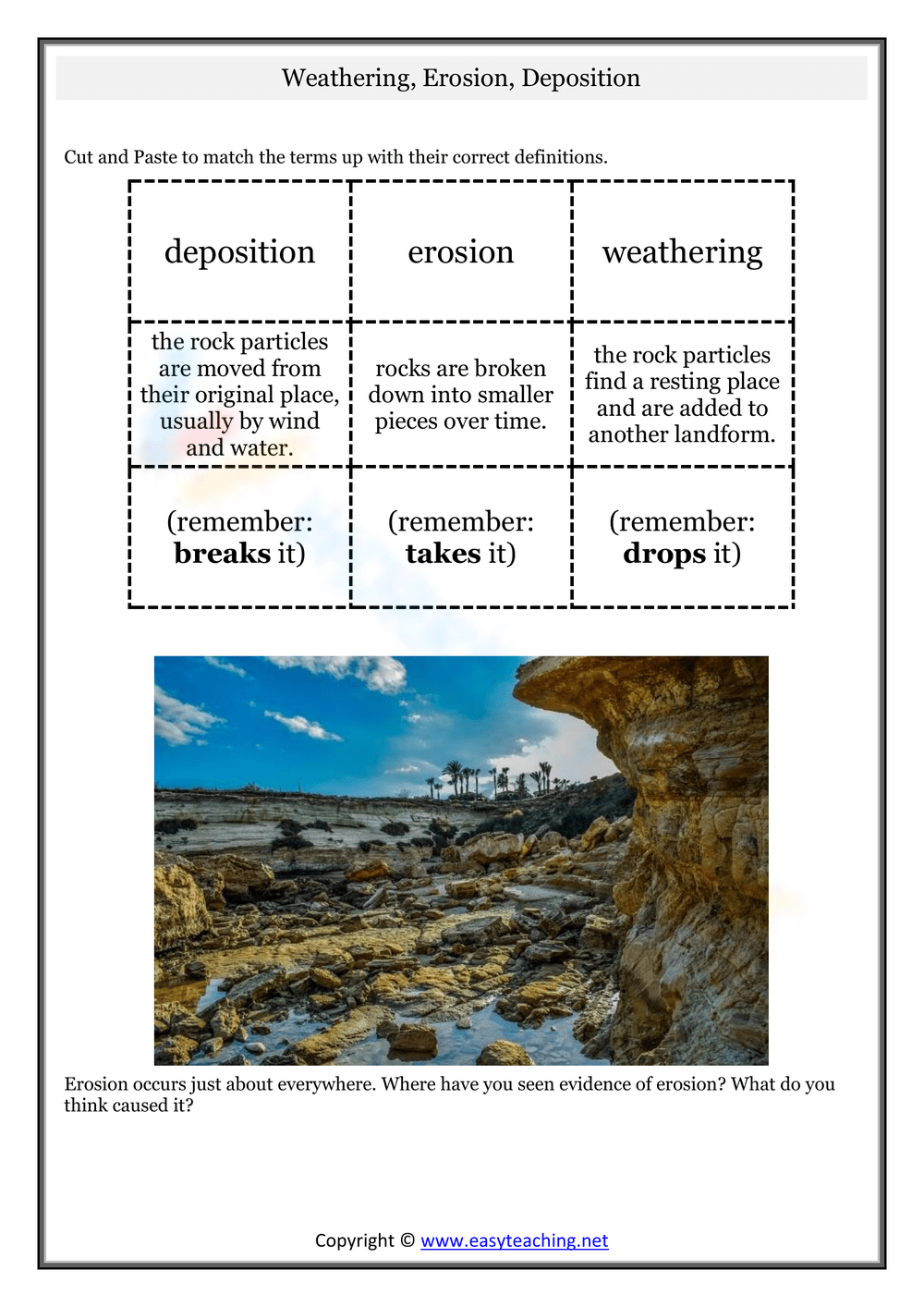 worksheetzone.orgWhy Worksheets Count Worksheets are more than only written tasks. They reinforce skills, support independent thought, and give a visible method to measure development. But listen to the kicker: when they’re thoughtfully made, they can also be fun. Can you thought about how a worksheet could function as a game? Or how it might nudge a kid to investigate a theme they’d normally overlook? The secret rests in mixing it up and originality, which we’ll dig into through doable, fun ideas.
1. Narrative Fun Through Word Gaps Instead of typical gap fill tasks, test out a narrative spin. Offer a snappy, playful tale kickoff like, “The explorer stumbled onto a mysterious land where…” and add spaces for words. Children plug in them in, crafting wild adventures. This isn’t merely language exercise; it’s a creativity booster. For small students, toss in goofy starters, while more advanced students might explore descriptive words or twist shifts. What story would you imagine with this structure?
2. Brain Teasing Numbers Problems Arithmetic shouldn’t seem like a burden. Design worksheets where working through sums opens a puzzle. Imagine this: a grid with values spread throughout it, and each accurate solution displays a piece of a concealed picture or a hidden note. Instead, make a crossword where tips are math tasks. Short plus tasks would suit beginners, but for older learners, complex problems could heat everything up. The engaged process of solving holds learners engaged, and the payoff? A vibe of pride!
3. Search Game Form Discovery Transform fact finding into an experience. Plan a worksheet that’s a treasure hunt, leading students to uncover facts about, maybe, wildlife or historical heroes. Add prompts like “Search for a animal that sleeps” or “Identify a figure who reigned prior to 1800.” They can look through texts, digital info, or even ask family. Due to the challenge looks like a quest, engagement climbs. Link this with a bonus prompt: “What single fact stunned you most?” Quickly, boring study becomes an active exploration.
4. Creativity Blends with Learning Who says worksheets aren’t able to be lively? Blend drawing and study by leaving space for illustrations. In science, children may tag a cell structure and sketch it. Event fans could sketch a event from the Middle Ages after answering tasks. The act of sketching strengthens understanding, and it’s a shift from dense sheets. For mix, tell them to sketch an item goofy tied to the theme. What kind would a creature cell look like if it planned a celebration?
5. Pretend Stories Grab imagination with acting worksheets. Give a setup—possibly “You’re a boss setting up a community party”—and list questions or steps. Kids may work out a plan (numbers), pen a message (communication), or plan the festival (maps). Though it’s a worksheet, it looks like a adventure. Tough situations can stretch older students, while basic tasks, like arranging a friend show, fit small learners. This approach combines areas seamlessly, showing how knowledge link in actual situations.
6. Link Words Language worksheets can glow with a mix and match twist. List words on one side and unique definitions or uses on the other, but throw in a few tricks. Students link them, smiling at absurd mistakes before locating the proper matches. Instead, link terms with pictures or like terms. Quick statements keep it fast: “Match ‘happy’ to its sense.” Then, a longer activity shows: “Draft a line featuring both paired phrases.” It’s playful yet learning focused.
7. Everyday Problem Solving Bring worksheets into the today with practical challenges. Give a task like, “What method would you shrink stuff in your place?” Kids think, note ideas, and detail just one in specifics. Or attempt a cost activity: “You’ve have $50 for a party—which things do you buy?” These exercises grow critical thought, and because they’re real, students stay invested. Reflect for a moment: how frequently do you solve challenges like these in your everyday day?
8. Shared Group Worksheets Group effort can elevate a worksheet’s effect. Design one for little pairs, with all student handling a piece before combining answers. In a event class, a person could note dates, another happenings, and a third effects—all tied to a lone idea. The group then talks and shows their work. Though personal input matters, the common purpose fosters teamwork. Shouts like “Us nailed it!” typically arise, demonstrating growth can be a collective game.
9. Secret Solving Sheets Use intrigue with puzzle styled worksheets. Open with a puzzle or clue—perhaps “A creature dwells in the sea but inhales oxygen”—and offer tasks to zero in it out. Learners use thinking or research to answer it, noting ideas as they go. For literature, snippets with lost details fit too: “Who took the goods?” The tension keeps them hooked, and the task boosts analytical smarts. What sort of puzzle would a person want to unravel?
10. Thinking and Goal Setting End a unit with a thoughtful worksheet. Tell children to write in what they learned, the stuff stumped them, and one target for next time. Easy cues like “I’m totally happy of…” or “Soon, I’ll try…” work wonders. This isn’t scored for accuracy; it’s about thinking. Join it with a playful spin: “Draw a award for a thing you nailed.” It’s a peaceful, amazing way to wrap up, joining reflection with a dash of fun.
Bringing It All Up These plans demonstrate worksheets aren’t caught in a slump. They can be games, tales, drawing pieces, or class tasks—any style works for your students. Begin small: choose just one suggestion and twist it to suit your lesson or approach. Soon much time, you’ll have a collection that’s as dynamic as the kids trying it. So, what thing holding you? Pick up a pencil, dream up your unique spin, and observe fun fly. Which one suggestion will you use to begin?
