Number Worksheets Preschool: 3 Free Preschool Number Worksheets 1-10
Worksheets shouldn’t feel tedious. Visualize a study area alive with excitement or a peaceful desk where learners happily engage with their tasks. With a touch of imagination, worksheets can change from mundane tasks into interactive aids that motivate understanding. Whether you’re a instructor creating activities, a parent educator needing variety, or merely a creative soul who loves teaching play, these worksheet ideas will light up your imagination. Why not dive into a world of possibilities that mix education with excitement.
3 Free Preschool Number Worksheets 1-10
 www.freebiefindingmom.comLearn The Number 2 - Free Worksheet For Kids - SKOOLGO
 www.skoolgo.comNumbers 1 10 Worksheets For Preschool
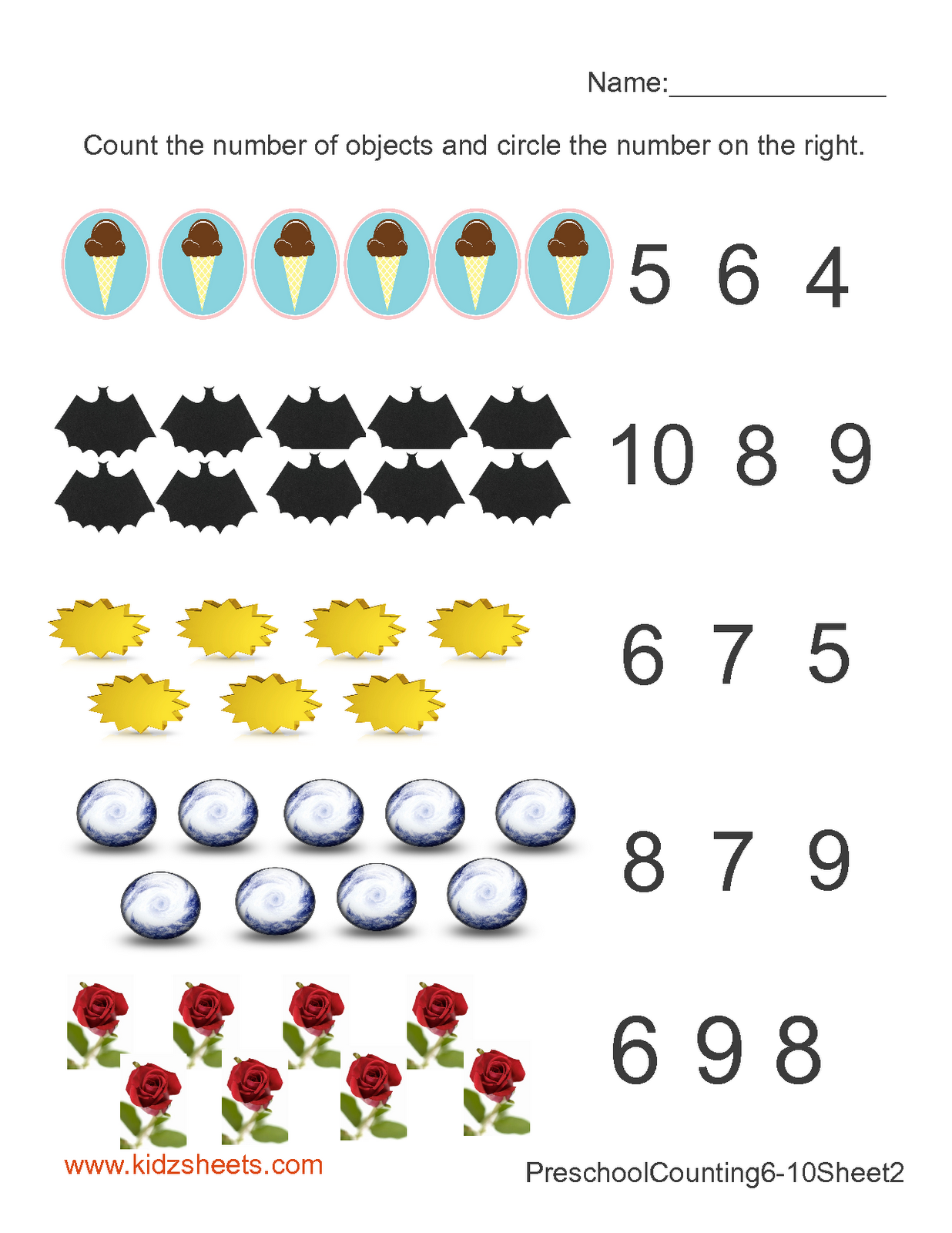 studyschoolretelling.z21.web.core.windows.net3 Free Preschool Number Worksheets 1-10
 www.freebiefindingmom.comFree Printable Missing Numbers Worksheets For Preschool! (1-20) ⋆ The
 thehollydogblog.comFree Kids Preschool Numbers Worksheets | The TipToe Fairy
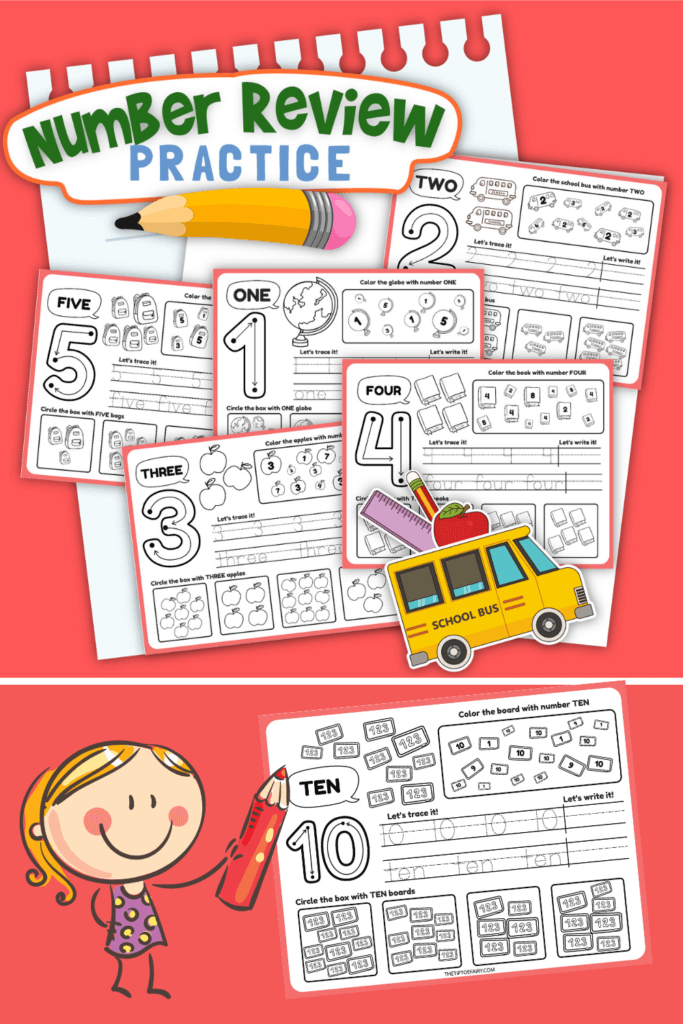 thetiptoefairy.comPreschool Number Worksheets 1-10 Free Printable | Printable Worksheets
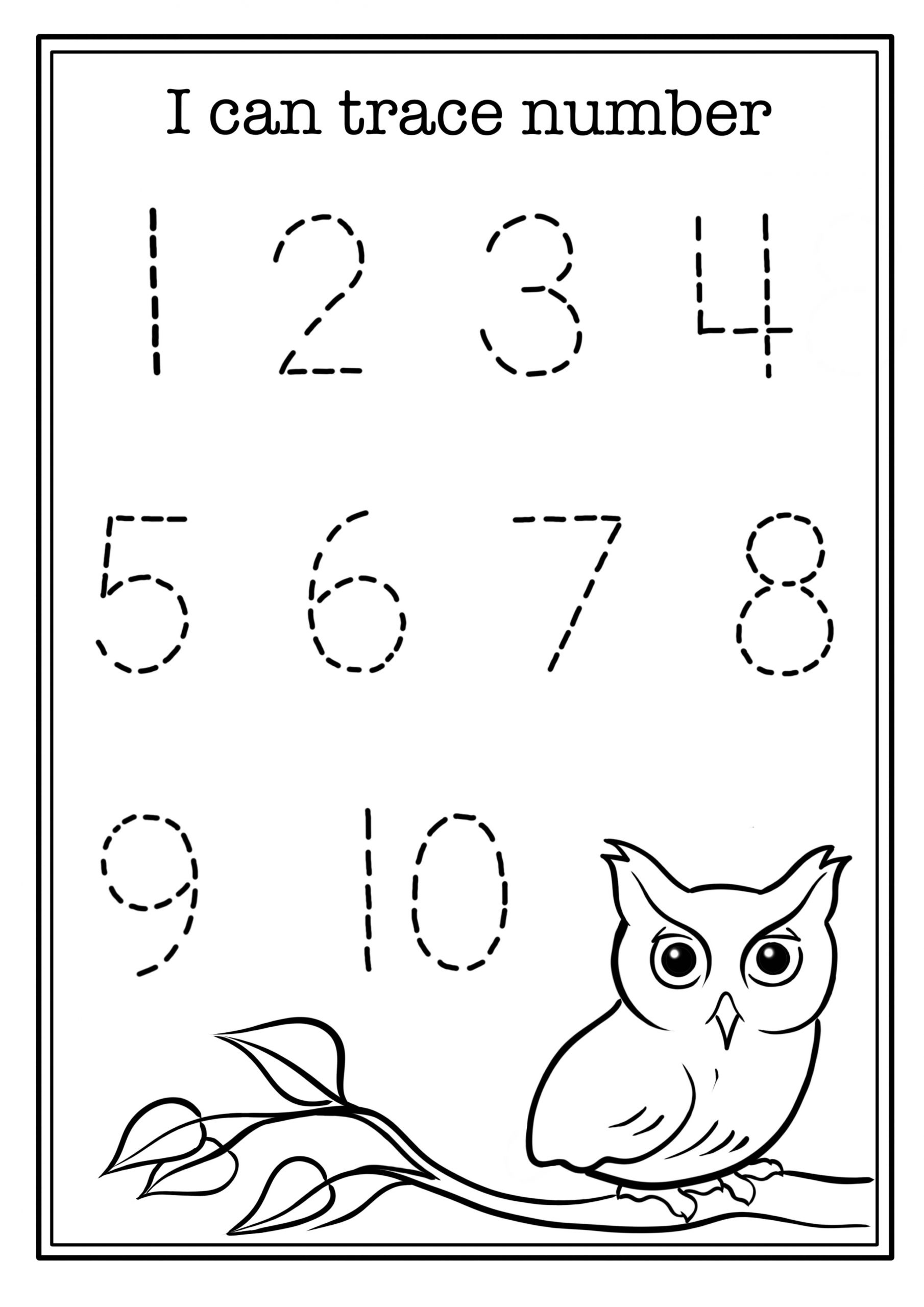 printablesworksheets.comOur Preschool Number Worksheets Will Not Only Help Your Students With
 www.pinterest.comOur Preschool Number Worksheets Will Not Only Help Your Students With
 www.pinterest.caPreschool Number Worksheets 1-10 - Worksheetspack - Worksheets Library
 worksheets.clipart-library.comWhat Makes Worksheets Stand Out Worksheets are beyond only written tasks. They solidify lessons, promote personal thought, and supply a real method to track growth. But check out the twist: when they’re smartly crafted, they can too be fun. Did you wondered how a worksheet could act as a challenge? Or how it might inspire a student to explore a topic they’d otherwise avoid? The secret is found in mixing it up and fresh ideas, which we’ll explore through realistic, exciting examples.
1. Tale Building Through Fill in the Blanks Rather than usual word fill tasks, try a narrative spin. Offer a brief, odd narrative beginning like, “The traveler stumbled onto a mysterious island where…” and insert blanks for nouns. Students complete them in, crafting crazy tales. This is not merely grammar practice; it’s a fun spark. For younger kids, toss in playful prompts, while more advanced students may handle colorful words or event twists. Which tale would you imagine with this setup?
2. Puzzle Packed Calculation Tasks Math needn’t seem like a drag. Build worksheets where solving problems reveals a puzzle. See this: a chart with numbers spread around it, and each accurate response uncovers a section of a hidden picture or a coded word. As another option, craft a puzzle where prompts are number exercises. Short basic facts could fit young learners, but for higher level students, tricky problems could liven everything up. The active task of figuring maintains children engaged, and the prize? A feeling of success!
3. Quest Style Investigation Switch study into an journey. Make a worksheet that’s a search game, guiding students to find tidbits about, say, wildlife or old time icons. Mix in tasks like “Spot a creature that hibernates” or “Name a figure who reigned pre 1800.” They can look through pages, online sources, or even quiz relatives. Since the activity sounds like a mission, focus skyrockets. Link this with a next step question: “Which fact stunned you biggest?” In a flash, quiet work transforms into an dynamic discovery.
4. Drawing Meets Knowledge What soul thinks worksheets shouldn’t be lively? Combine art and knowledge by leaving areas for illustrations. In science, kids would mark a human part and illustrate it. History enthusiasts could draw a scene from the Middle Ages after completing tasks. The action of illustrating reinforces understanding, and it’s a shift from text heavy sheets. For change, ask them to sketch something silly connected to the subject. What kind would a animal cell seem like if it threw a bash?
5. Pretend Scenarios Engage dreams with pretend worksheets. Provide a story—maybe “You’re a mayor arranging a community party”—and include tasks or tasks. Students would determine a plan (numbers), pen a talk (language arts), or sketch the day (space). Though it’s a worksheet, it feels like a game. Detailed situations can stretch bigger learners, while smaller activities, like setting up a family event, match younger learners. This style combines areas seamlessly, demonstrating how tools link in the real world.
6. Mix and Match Wordplay Vocabulary worksheets can glow with a mix and match spin. Write phrases on one side and odd definitions or examples on another column, but add in a few fake outs. Learners connect them, laughing at absurd mismatches before spotting the true pairs. Or, link vocab with images or synonyms. Snappy statements make it quick: “Pair ‘happy’ to its explanation.” Then, a longer job emerges: “Write a sentence featuring a pair of paired words.” It’s light yet useful.
7. Practical Problem Solving Take worksheets into the today with everyday tasks. Give a question like, “How come would you reduce mess in your home?” Children think, note thoughts, and explain just one in full. Or attempt a planning challenge: “You’ve possess $50 for a party—what stuff do you get?” These jobs build critical thought, and as they’re close, learners hold invested. Pause for a bit: how frequently do a person solve issues like these in your personal world?
8. Team Group Worksheets Teamwork can elevate a worksheet’s power. Design one for cozy teams, with each learner taking on a piece before joining ideas. In a history session, someone would jot dates, one more moments, and a final effects—all connected to a one subject. The group then talks and displays their work. Though personal input is key, the common target encourages unity. Calls like “The group crushed it!” typically come, showing growth can be a team win.
9. Secret Cracking Sheets Use curiosity with riddle focused worksheets. Open with a clue or tip—maybe “A beast stays in water but inhales oxygen”—and offer questions to zero in it through. Children use reason or exploring to figure it, recording solutions as they move. For stories, snippets with missing info stand out too: “Who stole the prize?” The tension keeps them focused, and the method boosts thinking skills. What riddle would someone love to crack?
10. Review and Goal Setting Finish a topic with a looking back worksheet. Invite children to note in items they picked up, what tested them, and one plan for the future. Basic cues like “I’m happy of…” or “In the future, I’ll test…” work great. This doesn’t get graded for rightness; it’s about reflection. Join it with a imaginative angle: “Draw a badge for a thing you nailed.” It’s a quiet, powerful approach to finish up, blending thought with a dash of joy.
Wrapping It It All Together These plans reveal worksheets are not locked in a rut. They can be riddles, stories, drawing pieces, or group challenges—what suits your children. Start simple: pick only one idea and adjust it to fit your theme or way. Quickly too long, you’ll possess a group that’s as lively as the learners tackling it. So, what’s stopping you? Pick up a marker, plan your unique take, and see excitement soar. Which tip will you try to begin?
